



Refurbished vs New Laptop – Which Is Better?
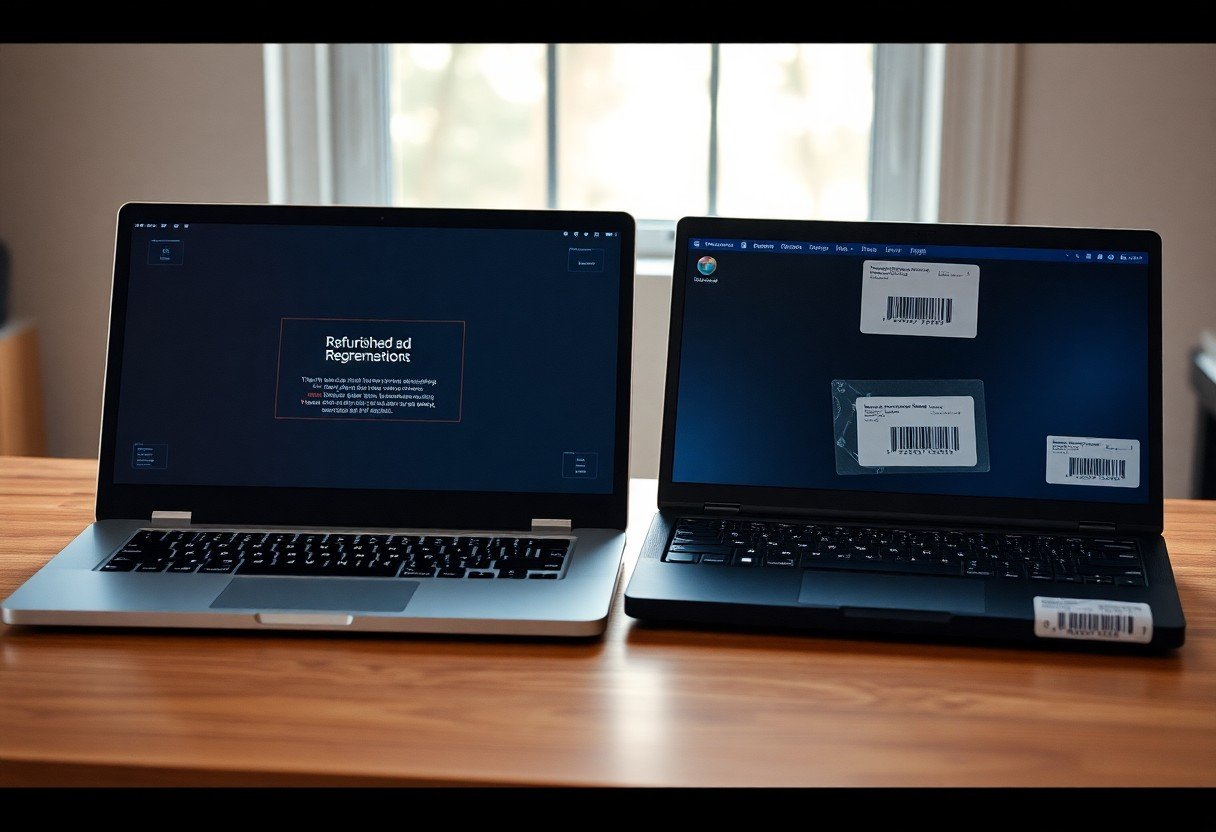
There’s a quiet shift happening beneath the surface of tech buying habits, one where smart choices outweigh brand-new shine. You’re weighing performance, value, and longevity, and the answer isn’t as straightforward as walking into a store and picking the latest model off the shelf. A refurbished laptop might offer the same processor, screen, and speed at half the price, while a new machine promises untouched hardware and full warranty coverage. Your needs-budget, usage, environmental concern-will steer this decision more than any marketing campaign. This comparison cuts through assumptions with real differences in cost, reliability, and long-term satisfaction.
Key Takeaways:
- A mid-sized SaaS firm reduced its annual hardware spend by nearly 40% after switching to certified refurbished laptops for its remote workforce, redirecting funds into cloud infrastructure upgrades.
- New laptops often include the latest processor iterations and factory warranties lasting up to three years, making them a fit for users requiring cutting-edge performance and long-term support.
- Refurbished units from manufacturers like Dell and Lenovo undergo diagnostic testing, battery replacement, and repackaging, often arriving with performance indistinguishable from new models.
- One study of enterprise IT departments found that refurbished devices had a failure rate within 1% of new units over a 24-month deployment cycle, challenging assumptions about durability.
- Choosing a refurbished laptop can reduce electronic waste by extending device lifecycle, with each unit kept in circulation preventing an estimated 200 kilograms of CO2 emissions compared to manufacturing a new one.
The Price of the New Machine
Buying new means paying for more than just hardware. Manufacturers factor in research, marketing, and packaging costs, all passed to you at checkout. A mid-sized SaaS firm might outfit its team with brand-new devices, only to find the total cost exceeds budget due to these embedded expenses. The latest model rarely offers proportional gains over its predecessor.
The cost of the box
Unboxing a new laptop includes more than the device-chargers, glossy brochures, and excess plastic contribute to the final price. You cover the cost of each component, even if you don’t need it. Some brands include premium packaging that adds little functional value but inflates shipping and material expenses.
The premium for the latest
Launching a new model triggers a price surge driven by demand for cutting-edge specs. You pay extra for marginal upgrades, like a slightly faster processor or a refined camera. Early adopters absorb the highest cost before prices stabilize months later.
That initial markup often reflects hype more than utility. For example, a minor GPU bump in a new release may not improve real-world performance for everyday tasks. Waiting six months can yield the same machine at a lower price, once the launch window passes and retailers adjust. Retailers then discount older stock, revealing how much extra you paid for simply being first.
The Refurbished Alternative
Choosing a refurbished laptop puts performance within reach without the full retail cost. You gain access to higher-tier models that might otherwise be out of budget, often with the same capabilities as new units. These devices have been restored to working order, frequently tested and certified by manufacturers or trusted vendors.
A machine with a past
A refurbished laptop once belonged to someone else, possibly used for work, school, or personal tasks. It may have been returned under warranty, traded in, or part of a corporate refresh cycle. Its history doesn’t define its function-many operate like new after proper servicing.
The process of repair
Refurbished units undergo inspection, cleaning, and component replacement as needed. Faulty parts like batteries or keyboards are swapped, and the system is reloaded with a fresh operating system. Some manufacturers use the same assembly lines as new devices to ensure consistency.
Technicians follow standardized protocols depending on the refurbishment tier. Factory-refurbished models from brands like Dell, Apple, or Lenovo often receive new thermal paste, updated firmware, and stress-tested hardware. A mid-sized SaaS firm replacing employee laptops might return them after two years, leading to high-quality refurbished stock with minimal wear.
The Matter of Reliability
Reliability often sways buyers toward new laptops, where factory-fresh components carry minimal risk of prior wear. Manufacturers subject new devices to rigorous quality checks before shipping, reducing the chance of early failure. You benefit from untouched hardware, especially in critical systems like the battery and cooling assembly, which degrade with use. A new machine typically runs without hidden flaws, offering peace of mind during intensive tasks.
The strength of the warranty
A manufacturer’s warranty on a new laptop usually spans one to three years, covering defects, malfunctions, and sometimes accidental damage. You gain direct access to authorized service centers, ensuring repairs use genuine parts and meet strict standards. Extended coverage options are often available at purchase, reinforcing long-term protection. This level of support is rarely matched in the refurbished market, even with third-party plans.
The truth of the build
Refurbished units may have been returned for issues like screen flaws or battery drain, later repaired and resold. You cannot always know the original cause of return, even if the device passes current functionality tests. Some sellers replace only faulty parts, leaving other worn components in place. Build integrity varies significantly depending on the refurbisher’s standards and transparency.
High-end refurbishers, such as those certified by Dell or Apple, follow strict protocols including full diagnostics, component replacement, and cosmetic grading. You might receive a device with a new battery and SSD, repackaged with original accessories. However, budget refurbishers may skip deep testing, offering units with lingering hardware quirks. Your confidence in reliability hinges on the seller’s reputation and the level of detail provided in the product listing.
Environmental Weight
Choosing a refurbished laptop reduces demand for newly manufactured devices, limiting the strain on natural resources and energy-intensive production processes. Each device reused represents fewer raw materials extracted and less electronic waste entering landfills. Your decision shifts consumption patterns toward sustainability without sacrificing performance.
Saving the metal
A single new laptop requires over 200 kilograms of raw materials, including rare earth elements and mined metals like cobalt and lithium. By opting for refurbished, you help decrease the need for destructive mining operations and lower the carbon footprint tied to refining and transporting these materials. Every reuse cycle conserves finite resources.
The long life
Modern laptops are built to last five to seven years or more under regular use, yet many are discarded far earlier due to upgrades or minor faults. Refurbishing extends their functional lifespan, keeping them in productive use and out of waste streams. A well-maintained device can serve reliably across multiple owners.
Laptops retain core functionality long after their initial ownership ends, especially when components like RAM or batteries are replaced during refurbishment. A mid-sized SaaS firm, for instance, might deploy second-life devices for customer support teams with no drop in operational efficiency. These machines handle cloud-based tools, video conferencing, and multitasking just as effectively as new units, proving longevity isn’t tied to newness.
Performance in the Field
Real-world performance often aligns more with usage patterns than specs alone. A refurbished business-class laptop from a major manufacturer may handle office tasks, web browsing, and video conferencing just as efficiently as a new consumer-grade model. Your workload determines whether raw power matters or consistent responsiveness wins.
The speed you need
Most daily tasks rely on quick boot times and smooth multitasking, not peak processor speed. A refurbished laptop with 8GB of RAM and a solid-state drive delivers responsive performance for email, spreadsheets, and streaming. You’re unlikely to notice a difference compared to a new entry-level machine.
The battery life
Battery degradation varies by model and usage history. Refurbished laptops often include a tested or replaced battery, but original capacity may still be lower than new. You might get five hours instead of eight under continuous use, depending on the age and care the device received.
Manufacturers typically design business-grade laptops with replaceable batteries, making it easier to restore longevity. You can often swap in a new battery for under $50, extending usable life by years. This flexibility means a refurbished device can outlast expectations with minimal investment.
The Final Verdict
Choosing between a refurbished and new laptop hinges on your priorities, budget, and tolerance for minor trade-offs. A refurbished model from a reputable seller often delivers 90% of the performance at 30-50% of the cost, making it a smart pick for cost-conscious professionals and students alike.
The choice of the wise
You gain access to higher-tier models at lower price points when opting for refurbished. A graphic designer might afford a refurbished MacBook Pro with double the RAM for the same price as a base new model, enhancing productivity without overspending.
The final trade
You accept a shorter warranty and the absence of the latest features when choosing refurbished. A mid-sized SaaS firm equipping its team with certified refurbished ThinkPads might save thousands but must plan for earlier refresh cycles than with new units.
Warranty terms on refurbished devices typically range from 90 days to one year, compared to two or three on new machines. Some manufacturers, like Dell and Apple, offer refurbished units with the same build quality and testing standards as new, narrowing the reliability gap significantly for buyers who verify certification levels.
To wrap up
You weigh cost against longevity, performance against sustainability when choosing between refurbished and new laptops. A refurbished model from a reputable vendor may deliver 90% of the experience of a new machine at half the price, especially if it includes a warranty and has been tested for functionality. You might find that for everyday tasks or even moderate professional work, the latest entry-level device offers more power than necessary, making older or renewed models a sensible choice. Some manufacturers now offer certified refurbished programs with the same support terms as new devices, blurring the line between old and new. Your decision ultimately hinges on how you prioritize budget, environmental impact, and long-term use. A mid-sized SaaS firm, for instance, recently transitioned its remote team to certified refurbished laptops, reducing hardware costs by nearly 40% without sacrificing uptime or software compatibility.
FAQ
Q: Are refurbished laptops reliable for everyday use?
A: Many refurbished laptops undergo rigorous testing and repairs by certified technicians before being resold, often including replacement of worn components like batteries or keyboards. A mid-sized SaaS firm might deploy dozens of refurbished ThinkPads across its remote workforce without reporting higher failure rates than with new devices. Manufacturers and reputable sellers typically restore systems to full functionality, ensuring they meet original performance standards. Users running standard office applications, web browsing, or media consumption rarely encounter issues tied to the device’s refurbished status.
Q: How much can I save by choosing a refurbished laptop instead of a new one?
A: Savings vary by brand, model, and condition, but discounts typically range from 20% to 40% compared to the price of a new equivalent. A refurbished 14-inch business-class laptop with a modern processor might retail for under $700, while the same model new exceeds $1,000. High-end models like certain MacBooks or Dell XPS units often see even larger absolute savings, sometimes exceeding $300. These reductions make powerful hardware accessible to students, freelancers, and small businesses operating on tight budgets.
Q: Do refurbished laptops come with a warranty?
A: Most refurbished laptops sold by authorized refurbishers or directly from manufacturers include a limited warranty, commonly lasting one year. Apple’s Certified Refurbished program, for example, provides the same standard warranty as new devices, including coverage for the battery and internal components. Third-party sellers on major online marketplaces may offer shorter coverage periods or require optional add-ons, so buyers should verify terms before purchase. Some enterprise-grade refurbished units even retain eligibility for extended service plans.
Q: Is the battery life on a refurbished laptop likely to be poor?
A: Battery health depends on the refurbishment process, not the category itself. Reputable vendors often replace aging batteries or rate remaining capacity transparently, sometimes listing it above 80%. A user purchasing a two-year-old laptop refurbished with a new battery may experience longer runtime than someone buying a new model with a smaller, less efficient cell. However, units sold as “used” rather than “refurbished” might retain original batteries with degraded performance, making it vital to check product descriptions carefully.
Q: Can a refurbished laptop handle demanding tasks like video editing or programming?
A: Performance hinges on specifications, not whether the device is new or refurbished. A refurbished workstation laptop equipped with a multi-core processor, 32GB of RAM, and a dedicated GPU will run software like Adobe Premiere Pro or integrated development environments without issue. Users have successfully used refurbished Lenovo P1 or HP ZBook models for rendering 4K timelines and compiling large codebases. The key is matching the hardware to the workload, regardless of its purchase status.
 Previous Post