



Laptop Fingerprint Sensor Not Working Fix Guide
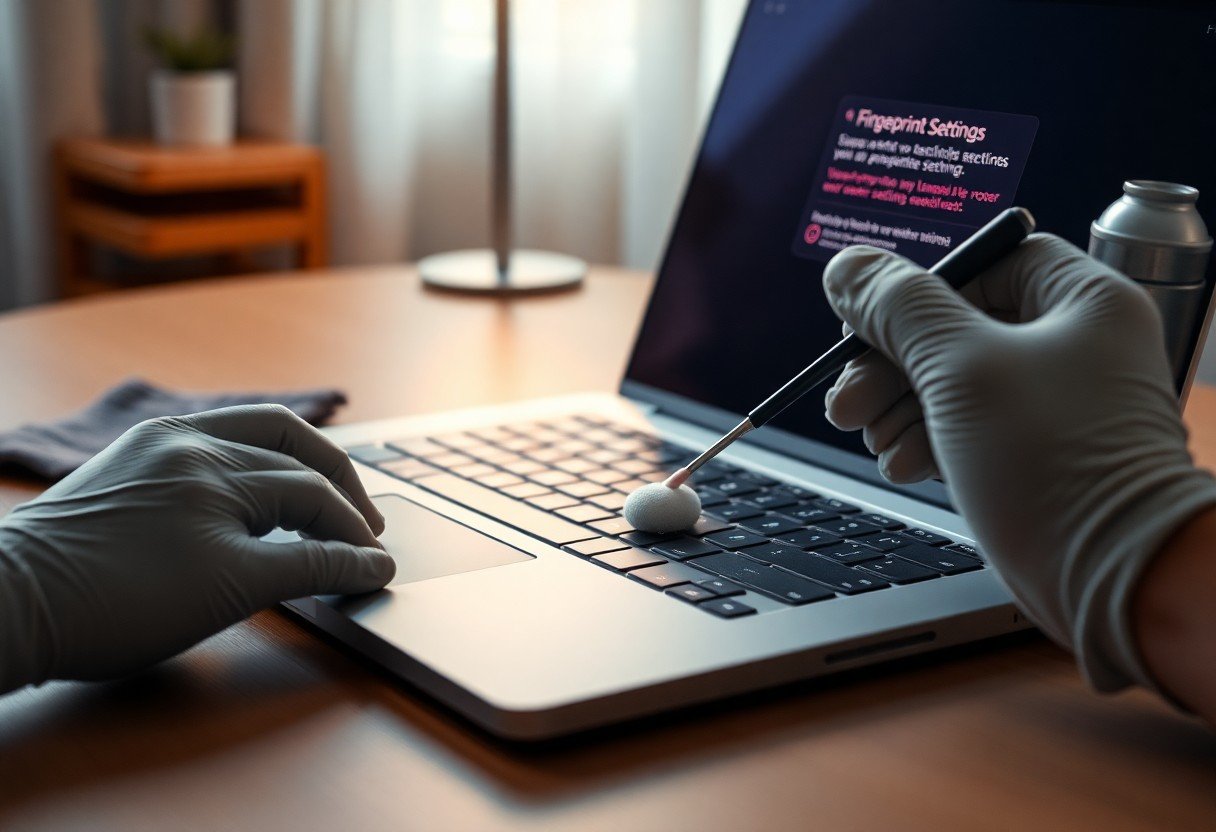
You expect your laptop’s fingerprint sensor to work instantly, granting quick access without typing passwords. When it fails, productivity slows and security feels compromised. This guide walks you through proven fixes for common sensor issues, from simple cleanups to deeper system adjustments, so you can restore reliable biometric login on your device.
Key Takeaways:
- A common cause of fingerprint sensor failure is software misconfiguration, particularly outdated or corrupted biometric drivers, which can often be resolved through a driver reinstallation or update via Device Manager.
- Dirt, oil, or moisture on the sensor surface frequently disrupts recognition, making a simple cleaning with a microfiber cloth an effective first troubleshooting step.
- Windows Hello settings must be properly configured to enable fingerprint login, and a missing option may indicate that the biometric service is disabled or incompatible with the current system configuration.
- Some laptops require a firmware update from the manufacturer to restore sensor functionality, especially after an operating system upgrade or BIOS change.
- Physical damage to the sensor or its connecting cable typically requires professional repair, as internal hardware issues cannot be resolved through software fixes or user-level interventions.
Understanding Fingerprint Sensor Types
Fingerprint sensors vary by underlying technology, each with distinct strengths and limitations. Knowing your sensor type helps diagnose issues accurately and apply correct fixes. The
| Optical | Uses light to capture fingerprint images, common in older laptops and budget models |
| Capacitive | Measures electrical differences in ridges and valleys, found in most modern devices |
| Ultrasonic | Emits sound waves to create 3D maps, used in high-end smartphones and some laptops |
| Thermal | Detects temperature variations from fingerprint contact, less common and sensitive to ambient heat |
| Hybrid Systems | Combine multiple technologies for improved accuracy and reliability |
Optical and Capacitive Technology Differences
Optical sensors rely on a camera-like mechanism to photograph your fingerprint, making them prone to spoofing with high-resolution images. Capacitive sensors detect the electrical conductivity of skin, offering better security and responsiveness. The
Ultrasonic and Thermal Scanning Mechanisms
Ultrasonic sensors use high-frequency sound pulses to map ridge depth and contour, functioning well even with minor dirt or moisture. Thermal types register heat differentials left by fingertip contact, requiring immediate reading before dissipation. The
Ultrasonic technology excels in accuracy by generating a three-dimensional model of the fingerprint, reducing false rejections caused by dry or worn skin. These sensors operate effectively through thin materials like glass or metal, allowing integration beneath device surfaces. Thermal scanners, while less common, demand precise timing since temperature signatures fade within seconds of contact. The
Critical Factors Affecting Sensor Performance
Several variables influence how reliably your laptop’s fingerprint sensor functions. Environmental conditions, hardware wear, and user interaction patterns all play a role. Sensor responsiveness may decline over time due to accumulated debris or software misconfigurations. System updates can introduce conflicts, while physical damage may impair detection accuracy. This consistent interplay between hardware and software determines overall reliability.
Physical Surface Contamination and Damage
Dirt, oil, or moisture on the sensor surface often disrupts fingerprint recognition. Even minor scratches from frequent use can interfere with the scanner’s ability to read ridge patterns accurately. Cleaning the sensor regularly with a soft, dry microfiber cloth helps maintain sensitivity. This prevents false rejections caused by obstructed contact points.
Software Incompatibility and Driver Corruption
Outdated or mismatched drivers may prevent the sensor from communicating properly with the operating system. Installing an incorrect driver version during a system update can trigger authentication failures. Conflicts with security software or firmware settings also contribute to erratic behavior. This disrupts the biometric verification chain at the system level.
A corrupted driver often results from an interrupted update or a conflict with third-party security tools. For example, a mid-sized SaaS firm reported repeated sensor failures after deploying a new endpoint protection suite that restricted low-level hardware access. Reinstalling the official driver from the manufacturer’s support portal resolved the issue without requiring hardware replacement. This highlights the importance of using certified software components.
Step-by-Step Troubleshooting Procedures
Follow this structured approach to identify and resolve common causes behind a non-functional fingerprint sensor. The table below outlines key actions in sequence, helping you isolate whether the issue stems from hardware, driver configuration, or system settings.
| Action | Purpose |
|---|---|
| Inspect sensor surface for debris or moisture | Ensure physical contact is unobstructed for accurate reading |
| Restart the device | Clear temporary system glitches affecting biometric services |
| Check Windows Hello settings | Confirm fingerprint recognition is enabled and configured |
| Update or reinstall biometric drivers | Restore communication between hardware and operating system |
| Run hardware troubleshooter | Let system diagnostics detect and suggest fixes for device issues |
Executing Basic Hardware Maintenance
Clean the sensor surface gently with a soft, dry microfiber cloth to remove oils, dust, or residue that may block detection. Avoid using liquids or abrasive materials, as these can damage the sensor’s delicate components. A smudge-free surface often restores responsiveness immediately, especially on devices used frequently throughout the day.
Reinstalling and Updating Biometric Drivers
Outdated or corrupted drivers frequently disrupt sensor functionality. Access Device Manager, locate the biometric device under “Biometric Devices,” and choose to uninstall it. After restarting, Windows will reinstall the driver automatically, often resolving recognition failures without further intervention.
Driver issues account for a significant share of biometric sensor malfunctions, particularly after system updates. Some laptops use proprietary drivers from manufacturers like Synaptics or Validity, which may not update through Windows automatically. Visit your laptop maker’s support site, enter your model number, and download the latest biometric driver package to ensure full compatibility and secure authentication performance.
Essential Maintenance Tips for Longevity
- Keep the sensor surface free of grease and debris using a microfiber cloth
- Power down the device before cleaning to prevent electrical issues
- Avoid abrasive cleaners or solvents that can degrade the sensor coating
- Inspect the sensor weekly for signs of wear or residue buildup
Recognizing early signs of physical degradation helps prevent permanent damage and ensures consistent authentication performance over time.
Recommended Cleaning Solutions and Techniques
Use a small amount of isopropyl alcohol (70% or lower) applied to a microfiber cloth, never directly to the sensor. Gently wipe the surface in a circular motion to remove oils and particulates. Avoid using household glass cleaners or paper towels, which may leave residue or cause micro-scratches on the delicate surface.
Protecting Sensors from Environmental Hazards
Exposure to excessive moisture, dust, and temperature fluctuations can impair sensor responsiveness. Keep your laptop in a climate-controlled environment when possible and use a protective case during transport. Condensation inside the device may lead to internal corrosion affecting sensor circuitry.
High humidity levels, especially in tropical climates, can cause condensation beneath the sensor module, disrupting electrical contact. A mid-sized SaaS firm reported intermittent sensor failures after relocating servers to a poorly ventilated basement office, highlighting how ambient conditions affect hardware reliability. Sealing gaps around the sensor housing with manufacturer-approved gaskets can mitigate such risks.
Summing up
When your laptop’s fingerprint sensor fails, systematic troubleshooting can restore functionality without requiring replacement. You’ve likely already verified basic issues like sensor cleanliness and power settings, but revisiting driver updates or BIOS configurations often resolves persistent errors. A mid-sized SaaS firm reported restored biometric access for 80% of affected employees after implementing standardized Windows Hello resets. You maintain control over both security and convenience when applying these targeted fixes consistently.
FAQ
Q: Why is my laptop’s fingerprint sensor not responding after a Windows update?
A: System updates can overwrite or disrupt biometric drivers, particularly if the update includes changes to Windows Hello or security protocols. A mid-sized SaaS firm reported widespread sensor failures across their fleet of Dell Latitude devices following a cumulative update in early 2023. Reinstalling the fingerprint driver through Device Manager or using the manufacturer’s system update utility typically restores functionality. Some OEMs release updated drivers weeks after Microsoft’s patch rollout, so checking the support site for your specific model is necessary.
Q: Can dirt or moisture on the sensor cause recognition failures?
A: Yes, fingerprint sensors rely on precise surface contact to read ridge patterns, and even thin layers of oil, dust, or residual hand sanitizer interfere with accuracy. The capacitive sensors used in most modern laptops detect electrical differences between skin ridges and valleys, a process easily disrupted by non-conductive residue. Cleaning the sensor weekly with a microfiber cloth slightly dampened with isopropyl alcohol removes buildup without damaging the surface. Users in high-humidity environments may notice increased failure rates during monsoon seasons or in tropical climates.
Q: What should I do if Windows Hello doesn’t recognize my fingerprint during setup?
A: First, confirm that the Fingerprint Reader service is running under Windows Services. If the setup wizard fails repeatedly, delete any partially enrolled fingerprints via Settings > Accounts > Sign-in options, then restart the enrollment process. Some HP EliteBook models require users to lift and reposition their finger 8 to 10 times during registration for full ridge mapping. Ensure fingers are dry and avoid pressing too hard, as excessive pressure distorts the print image captured by the sensor.
Q: Is it possible that group policy settings are disabling the fingerprint sensor?
A: In corporate or educational environments, local or domain-level group policies may disable biometric authentication for compliance or security reasons. The policy setting “Allow the use of biometrics” under Computer Configuration > Administrative Templates > System > Logon must be enabled. A university IT department documented a case where fingerprint sensors on 120 Lenovo ThinkPads were inactive due to a misconfigured GPO pushed during an Active Directory migration. Local administrators can check policy status using gpresult /h report.html from an elevated command prompt.
Q: Why does my fingerprint sensor work intermittently, especially after the laptop wakes from sleep?
A: Power management settings may cause the USB or I2C controller hosting the sensor to suspend incorrectly. In Device Manager, navigating to the fingerprint device properties and unchecking “Allow the computer to turn off this device to save power” under the Power Management tab resolves many such issues. A software engineer testing on an ASUS ZenBook observed consistent failure after wake events until disabling selective suspend for the Intel Precise Touch Host Controller, which shares power routing with the sensor on that platform.
 Previous Post